







































It’s 3:00 AM. Your phone vibrates on the nightstand. It’s not a text from a friend; it’s your monitoring system screaming that a core switch is down. Ten minutes later, you realize the unthinkable: your Uninterruptible Power Supply (UPS) failed during a minor brownout. The "U" in UPS: Uninterruptible: just became a lie.
As a CIO or IT Head, this is the nightmare that keeps you up. You’ve invested millions in redundant servers, top-tier networking, and high-end storage. But all of it is held hostage by a lead-acid or lithium-ion battery that hasn’t been checked in six months.
In the world of mission-critical infrastructure, battery monitoring isn’t a luxury; it’s the insurance policy for your entire digital operation. Today, we’re diving into why AKCP battery monitoring is the industry standard for keeping your data center alive and how it saves you more than just downtime.
The Silent Killer of the Data Center
Did you know that according to industry reports, nearly 70% of data center outages cost at least $100,000? When you trace the root cause of power-related failures, the finger almost always points to the UPS. And inside that UPS, the culprit is a single, failing battery cell.
Batteries are the "beating heart" of your infrastructure, but they are incredibly temperamental. They hate heat, they hate being overcharged, and they hate being ignored. Most organizations rely on manual "load tests" performed once a quarter or, worse, once a year. By the time a technician finds a weak cell during a manual check, that cell might have already been a fire risk or a failure point for weeks.

Enter AKCP: Continuous Intelligence, Not Just "Monitoring"
This is where AKCP Battery Monitoring changes the game. Instead of crossing your fingers and hoping the UPS holds during the next power dip, AKCP provides a 24/7 window into the soul of your power chain.
What are we actually measuring?
It’s not just about "is it on?" True battery health requires looking at three critical factors:
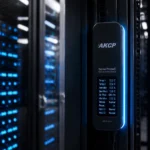
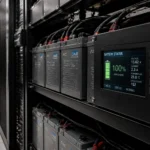
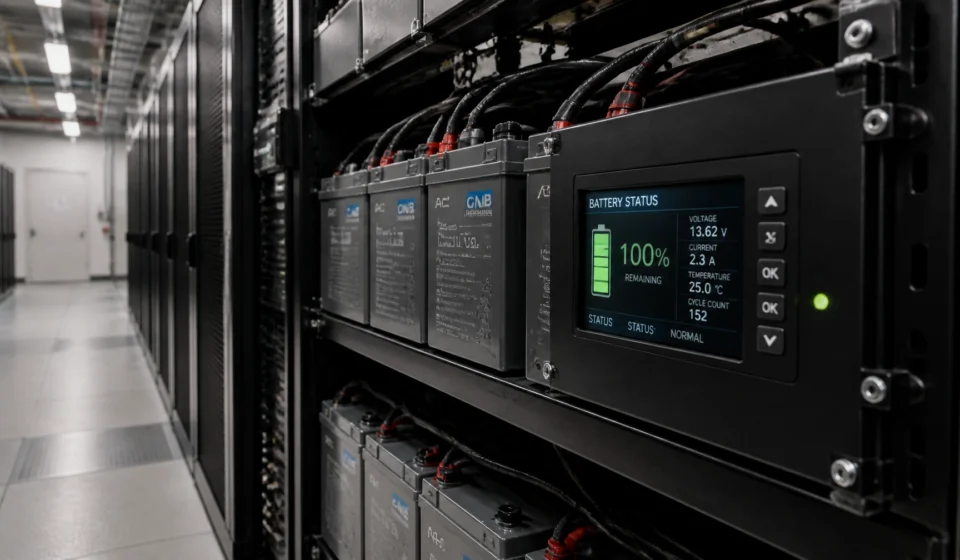
- Individual Cell Voltage: AKCP sensors (like the BATTMON series) monitor DC voltage across ranges of 0–60V. This catches "cell imbalance" before it kills the whole string.
- Current and Load: By using external CT clamps (ranging from 50A to 2000A), the system tracks how much juice is flowing during charge and discharge.
- Terminal Temperature: This is the big one. Ambient temperature is one thing, but the temperature at the battery post tells you if a cell is entering "thermal runaway."
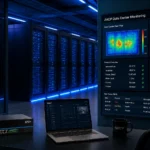
When these sensors are plugged into an AKCP sensorProbeX+ base unit, they are automatically detected. No complex coding, no manual configuration: just instant data flowing into your dashboard.
Why CIOs Love AKCP (And CFOs Love the ROI)
Beyond just preventing a "blackout," there are massive business advantages to implementing a professional monitoring solution like AKCP.
1. Extending Hardware Life
Batteries are expensive. If you replace them every three years "just because," you’re likely throwing away perfectly good equipment. Conversely, if you wait too long, a failing battery can damage the UPS charger. AKCP’s AKCPro Server software uses historical trending to predict when a battery actually needs replacement. Some data centers have reported extending battery life from 3 years to 6 years simply by maintaining optimal conditions.
2. Saving Electricity and "Going Green"
A failing battery string often draws more current than necessary to try and reach a full charge that it can no longer hold. This wastes electricity. Furthermore, for organizations looking at AKCP Solar solutions, monitoring the health of your battery bank is essential to balancing your renewable energy load. If you aren't monitoring your batteries, you aren't truly "Green."
3. Predictive Maintenance vs. Reactive Firefighting
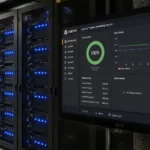
With AKCPro Server, you get a "single pane of glass" view. You can see your battery health right next to your rack temperature and humidity. If a rack gets too hot, you’ll see the battery temperature rise in real-time. This allows your team to move from "fixing things that broke" to "preventing things from breaking."

Compliance: Passing the Audit with Flying Colors
If you operate in finance, healthcare, or government, you aren't just worried about uptime; you’re worried about the Auditor.
In India and the Middle East, regulatory bodies are tightening the screws on IT infrastructure. Whether it’s an RBI Audit, a SEBI Audit, or the UAE Central Bank Audit, they all ask the same question: How do you know your disaster recovery power is functional?
Having a stack of manual logs from a technician is no longer enough. Auditors want to see:
- Digital logs of battery health.
- Historical discharge data.
- Automated alerts that show a proactive response to risks.
Using AKCP solutions in your Data Center helps you check every box for PCI Audits, Qatar Finance Audits, and IRDAI (Insurance Regulatory) Audits. It proves you have a "Risk Management" mindset, not just a "Maintenance" mindset.

The Risk of "Doing Nothing"
If you don’t have AKCP in your Data Center, you are effectively running your business on a "Wait and See" policy. The risks are high:
- Data Corruption: A sudden power drop can corrupt databases (Oracle, SQL) mid-transaction.
- Hardware Damage: UPS failures can lead to power surges that fry delicate networking gear.
- Brand Damage: In the age of 99.999% uptime, an outage is a PR nightmare.
Don't Leave Your Infrastructure to Chance
Your role as a technology leader is to eliminate variables. Batteries are a huge variable: but they don't have to be. By integrating AKCP battery monitoring, you’re not just buying sensors; you’re buying peace of mind and protecting the lifeblood of your organization.
Whether you are looking to optimize your Cloud (AWS/Azure) hybrid setup, secure your VMware environment, or simply ensure your Network Audit doesn't turn up any nasty surprises, battery health is your starting point.
Get Expert Guidance Today
Need help planning your data center’s monitoring strategy? Want to know which AKCP solution fits your specific UPS setup? Or are you looking to plan your next career move into the Gulf technology sector?
Shelesh Chauhan (CIO) is available to guide you through the latest in AI, DevOps, and Infrastructure security.
