

































It’s 3:00 AM. The house is silent, except for the rhythmic hum of the air conditioner and the sudden, jarring vibration of a smartphone on the nightstand. For a CIO, this isn’t just a phone call; it’s a signal that the invisible threads holding the business together are snapping.
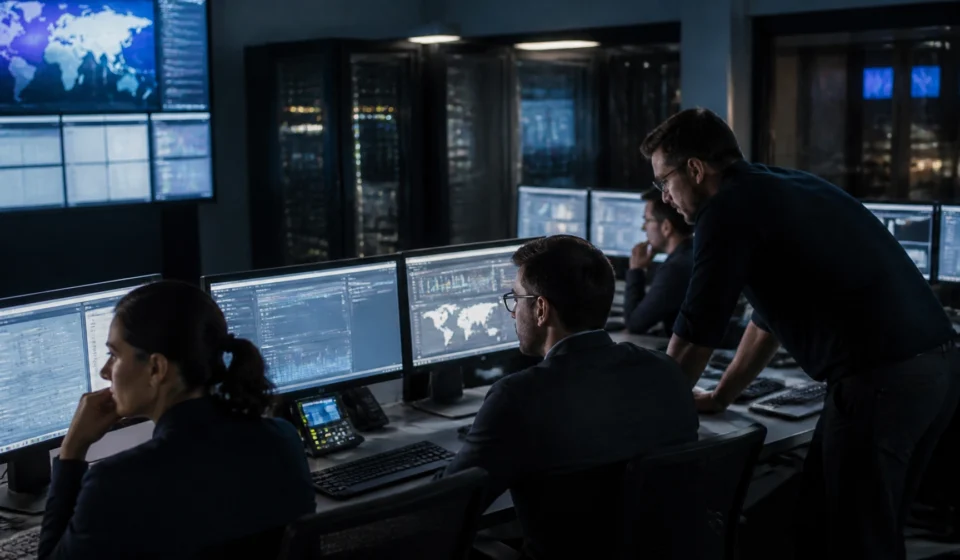
On the other end of the line, the night-shift Lead Engineer sounds breathless. "Boss, the core switch at the primary DC is flapping. We’ve lost the payment gateway. The transaction backlog is hitting the ceiling, and the RBI compliance dashboard is bleeding red."
This isn't a hypothetical scenario. It’s a reality we see at IT Consultant more often than we’d like. But what happens next is what separates a week-long disaster from a "near miss." This is the story of how a deep-dive network audit didn't just find a bug, it saved a business.
The Fog of War in the Server Room
When a major financial institution contacted us last year, they were in the middle of a "ghost in the machine" crisis. Every Tuesday at approximately 2:15 PM, their network would crawl. Transactions would time out, and their customer-facing app would lag just enough to drive users to social media to complain.
Their internal team had checked everything: the code was clean, the cloud instances were scaled, and the firewalls seemed fine. They were flying blind. They were in the "Fog of War," where everyone is pointing fingers at different departments, but nobody has the ground truth.
We stepped in not just as "tech support," but as auditors. A network audit isn't just about checking if the lights are green; it’s a forensic investigation into the heartbeat of your organization.
The "Spaghetti" Trap: Why Structure Matters
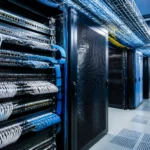
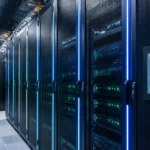
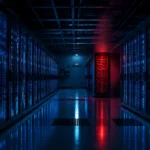
The first thing our team did was walk into their physical data center. If you want to know the health of a network, don't look at the software first, look at the cables.

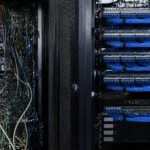
We found what we call "Cable Spaghetti." Years of "quick fixes" and "emergency patches" had left the racks looking like a bowl of blue and yellow noodles.
Why does this matter to a CEO or COO?
- Airflow Blockage: Messy cables block the exhaust of your expensive servers, leading to micro-overheating.
- Troubleshooting Nightmares: If a port goes bad at 3 AM, finding the right cable in a mess can take hours instead of seconds.
- EMI Interference: Poorly shielded or unorganized cables can lead to data packet loss that looks like a "software glitch" but is actually a physical hardware failure.
Our audit highlighted that their "Tuesday lag" was actually a cooling issue triggered by a scheduled high-intensity data backup that caused the local rack temperature to spike, throttling the CPU performance of the core switches.
The "Ghost" in the Port: Uncovering Critical Vulnerabilities
Beyond the physical, the technical audit revealed something far more sinister. While the bank was focused on external hackers, our audit discovered an unauthorized fiber-to-Cat6 "backdoor" in a remote branch office.
A vendor had installed it years ago for "easy maintenance" and never removed it. It was unmonitored, unencrypted, and completely bypassed their central firewall. This was a wide-open door for anyone with a $50 hacking tool to gain access to their core payment environment.
If they hadn't performed this network audit, it wouldn't have been a lag they were dealing with next, it would have been a ransomware note and a massive RBI penalty.
The Ticking Time Bomb: Are You Monitoring Your Environment?
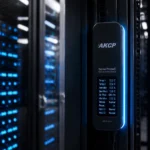
One of the biggest gaps we find in many Indian data centers is a lack of environmental intelligence. We often ask CIOs: "Do you have AKCP in your Data Center?"
If the answer is no, you are operating at significant risk.

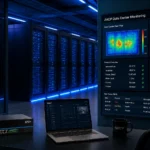
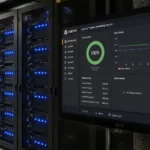
During our audit, we integrated AKCP solutions to provide real-time monitoring of temperature, humidity, and water leaks. Why? Because a network audit is only a snapshot in time. AKCP is your 24/7 eyes and ears.
- Saving Electricity: By using AKCP thermal mapping, we helped this organization optimize its cooling. They were over-cooling their data center by 4 degrees "just to be safe," which was wasting lakhs in electricity bills every month.
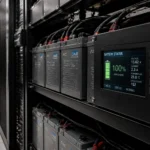
- Battery Monitoring: We found that their UPS batteries were failing. They thought they had 30 minutes of backup; in reality, they had three. AKCP Battery Monitoring saved them from a total blackout during a routine power switchover.
Compliance: It’s Not Just a Paperwork Exercise
For our clients in the Banking and Insurance sectors, audits like RBI, PCI DSS, and SEBI are mandatory. But there’s a difference between "checking the box" and actually being secure.
A professional network audit ensures you are ready for:
- RBI Cyber Security Framework: Ensuring your network is segmented and your SOC is actually receiving the logs it needs.
- PCI Audit: Validating that your Cardholder Data Environment (CDE) is isolated.
- UAE Central Bank / Qatar Audits: Meeting international standards for digital sovereignty and risk management.
When the regulators show up, they don't want to see a "good intention." They want to see a documented, audited network map and a history of proactive risk mitigation.

Don't Wait for the 3:00 AM Call
The biggest lesson from our "3 AM stories" is always the same: The cost of an audit is a fraction of the cost of an outage.
Whether it’s optimizing your AWS/Azure cloud spend, securing your Oracle Database, or finally fixing that messy structural cabling, the time to act is when things are quiet: not when the payment gateway is down and the Board is calling your personal number.
At IT Consultant, we don't just provide "latest technical knowledge": we provide peace of mind. We guide CIOs and Founders through the maze of AI, DevOps, and Cyber Security to ensure their infrastructure is a catalyst for growth, not a liability.
Ready to secure your infrastructure?
Whether you need guidance on a career move to the Gulf, planning for your next major audit, or implementing AKCP solutions in your data center, Shelesh Chauhan is here to help.

Your network is the backbone of your business. Don't let it be the reason you lose sleep.
